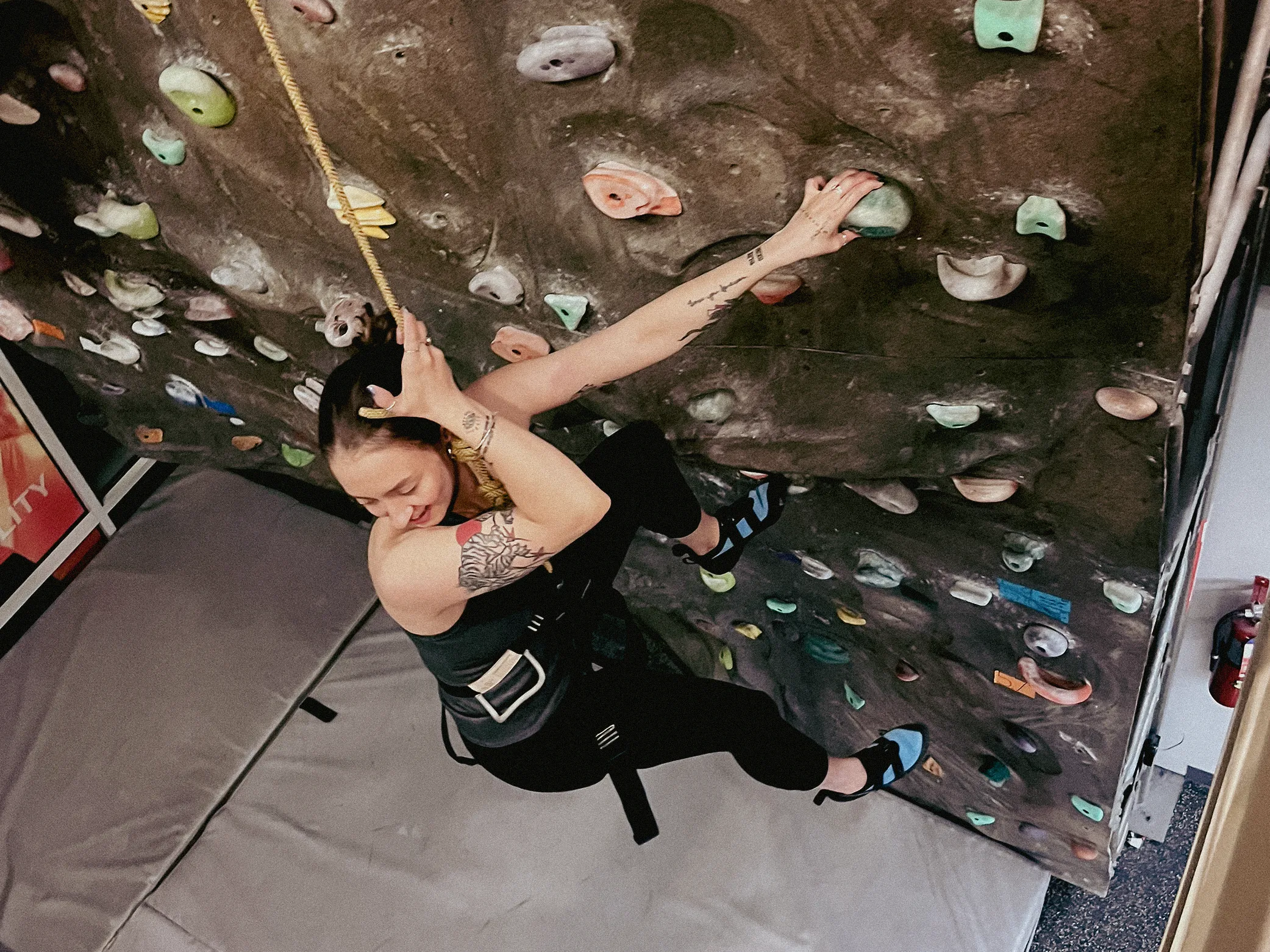
The Real Health Benefits of Indoor Rock Climbing and Why NYC Fitness Pros Love It
...they call it the key for a strong upper body muscle
Working Out
May 19, 2026
...they call it the key for a strong upper body muscle
Key Takeaways:
The fitness landscape in New York City is constantly evolving, but one workout is rapidly gaining popularity among both casual gym-goers and fitness professionals: indoor rock climbing. This engaging sport offers a perfect blend of physical challenge and mental stimulation, making it an ideal addition to any fitness routine.
According to a recent study published in the Journal of Sports Sciences, rock climbing engages up to 90% of your body's muscles in a single session. This comprehensive activation pattern explains why more NYC fitness experts are incorporating climbing into their training programs and client recommendations.
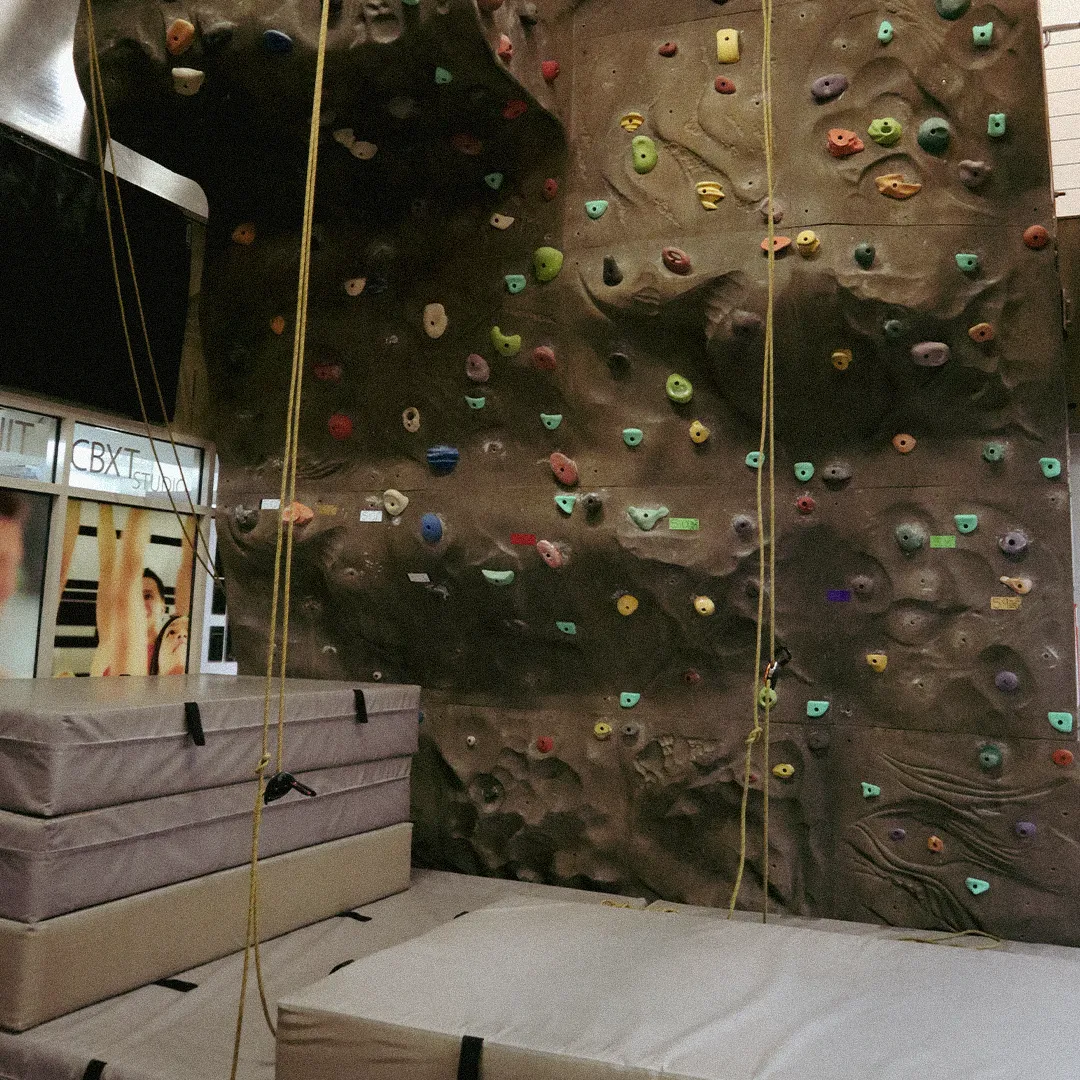
Research from the American College of Sports Medicine highlights several key physical benefits of indoor climbing:
- Increased grip strength and forearm endurance
- Enhanced core stability and control
- Improved upper body pushing and pulling strength
- Greater lower body power and stability
- Better range of motion in hips and shoulders
- Increased dynamic flexibility
- Enhanced body awareness and coordination
- Burns 500-900 calories per hour during active climbing
- Improves heart rate variability
- Boosts overall cardiovascular endurance
The Cleveland Clinic reports that climbing provides significant cognitive benefits:
At CompleteBody's multiple NYC locations, our fitness experts increasingly recommend climbing as a complementary workout for clients looking to diversify their routines. The sport offers unique advantages that are particularly valuable for city dwellers:
often incorporate climbing-inspired movements into their programs.
Unlike high-impact activities like running on city streets, climbing offers intense exercise while being gentle on joints, making it suitable for various fitness levels and ages.
locations, provides built-in accountability and support.
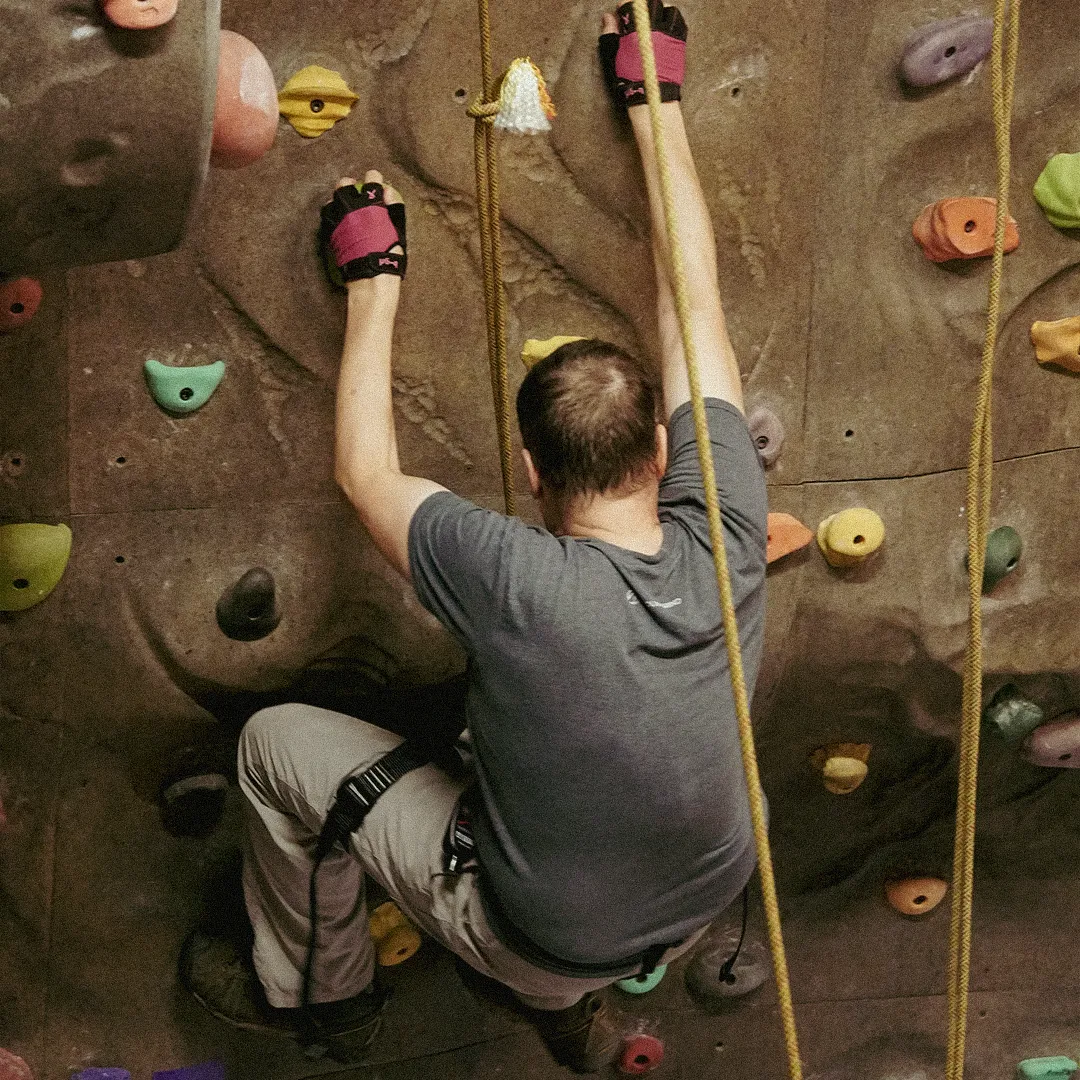
locations offer specific training programs to enhance climbing performance:
To maintain peak climbing performance, recovery is crucial. The Mayo Clinic recommends:
Monday: Climbing session (technique focus)
Tuesday: Strength training
Wednesday: Active recovery or yoga
Thursday: Climbing session (endurance focus)
Friday: Group fitness class
Saturday: Project climbing or skills practice
Sunday: Rest and recovery
Track your climbing progress using these metrics:
Q: Is indoor climbing safe for beginners?
A: Yes, when proper safety protocols are followed and instruction is received. Modern climbing gyms have extensive safety measures and trained staff.
Q: How often should I climb as a beginner?
A: Start with 2-3 sessions per week, allowing adequate rest between sessions. Listen to your body and gradually increase frequency.
Q: Do I need to be very strong to start climbing?
A: No, climbing technique is more important than raw strength. Proper instruction will help you develop both simultaneously.
Q: What's the best way to prevent climbing injuries?
A: Focus on proper technique, warm up thoroughly, and don't overdo it when starting. Consider working with a certified trainer to develop a balanced training program.
Indoor rock climbing offers a unique combination of physical challenge, mental engagement, and community support that makes it an ideal addition to any fitness routine. Whether you're a seasoned athlete or just starting your fitness journey, climbing can provide the challenge and variety you're looking for.
Want to explore how climbing can fit into your fitness routine? Start your free trial at CompleteBody and speak with our experienced trainers about incorporating climbing into your workout plan.